Compatibility between quartz crystal and oscillation circuit
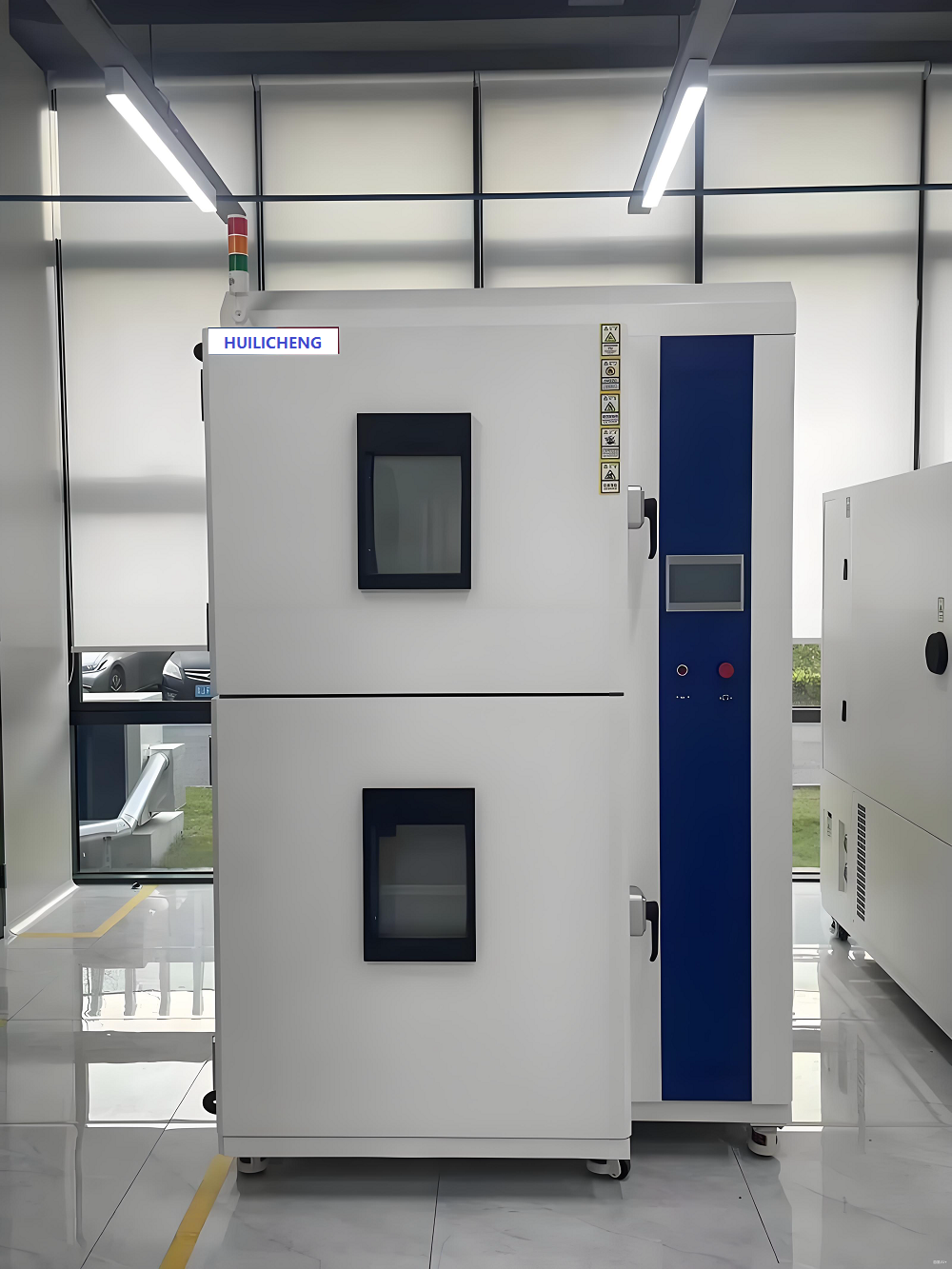
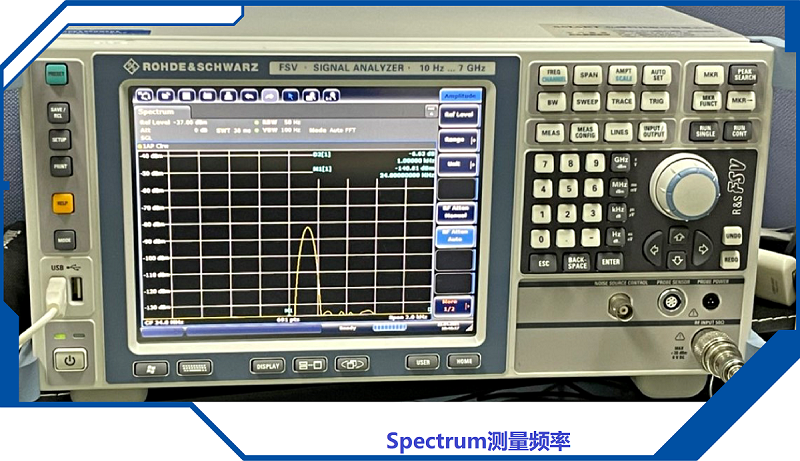
We provide testing board services and will use professional quartz crystal testing equipment to measure the frequency data of individual cells at room temperature and after on board vibration. We will compare and confirm the error between the two to ensure that the frequency error between the customers circuit design and the individual cell is minimized. We will accurately, professionally, and carefully measure the customers circuit board to avoid frequency deviation caused by problems with the application of the customers circuit board and the individual cell.
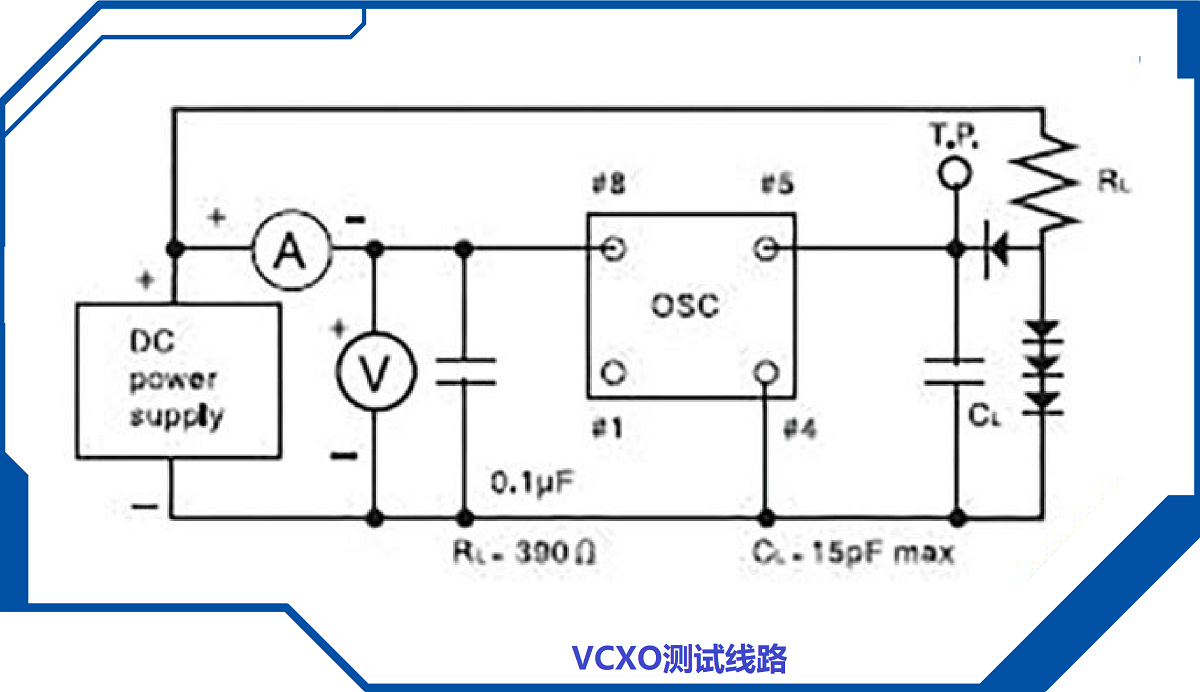
VCXO noun explanation and principle application
VCXO (voltage controlled crystal oscillator) is a voltage controlled crystal oscillator that uses different voltages as control sources to adjust the frequency of the quartz resonator by tuning the voltage to change the capacitance of the capacitor diode. The oscillation frequency is determined by the crystal and can be adjusted within a small range by controlling the voltage. VCXO allows a wide frequency control range, with a tuning range of about ± 200ppm or even larger. Commonly used voltages include 1.8V, 2.5V, 3.3V, 5V, etc., with 3.3V being the most widely used.
The VCXO product has voltage control function and is used for data signal acquisition, jitter attenuation, or frequency synthesis in the output frequency internal circuit. The current loss does not exceed 2mA. It has fast start, low voltage operation, low-level driving, and low current consumption. Its characteristics are as follows:
1. Wide frequency modulation range.
2. High precision and high stability.
3. Low jitter or low phase noise.
Note: The jitter of the VCXO output signal directly affects the design of other circuits, and it is usually desirable for the jitter of the VCXO to be as small as possible.
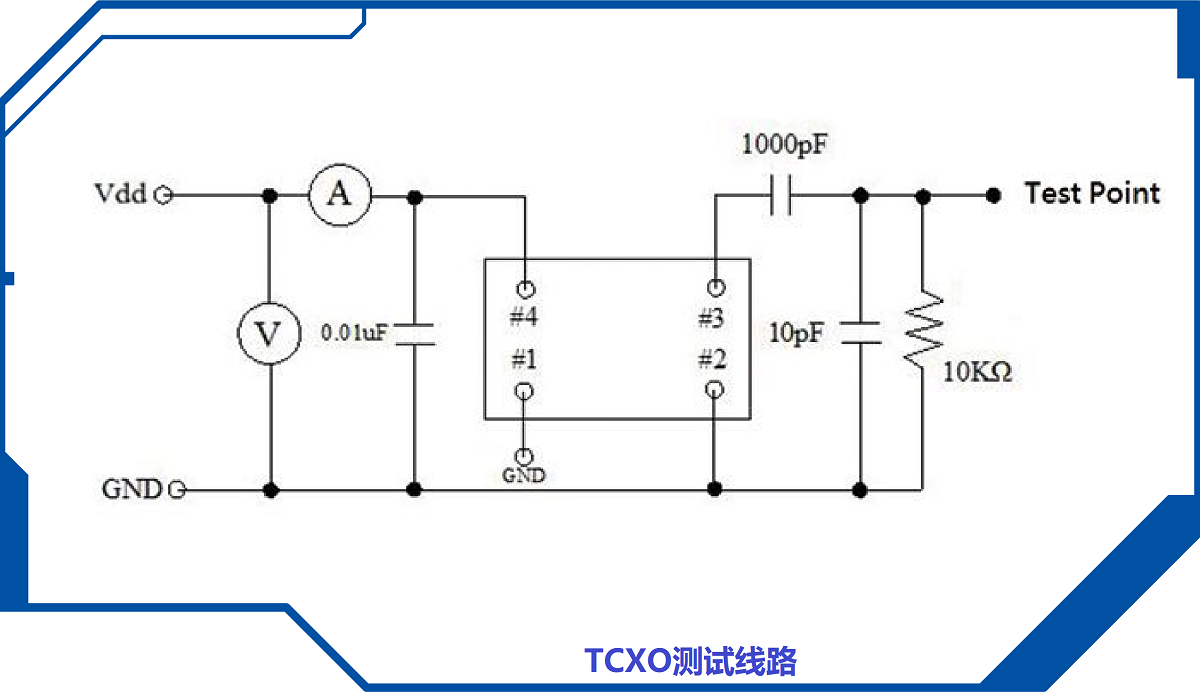
TCXO (Temperature Compensate Crystal Oscillator) is a type of temperature compensated crystal oscillator that reduces the frequency change caused by ambient temperature changes through an additional temperature compensation circuit. It is an active device and typically has a frequency stability of ± 0.5 ppm to ± 5 ppm throughout the entire operating temperature range.
Due to its high frequency stability and small size, TCXO can quickly start at low currents, and its application areas have been expanded to mobile communication systems. TCXO serves as a reference oscillator to provide a frequency reference for the transmission signal and as the first stage local oscillator for the reception channel; The other TCXO serves as the second local oscillator and inputs its oscillation signal to the second frequency converter. The frequency stability required for mobile phones is 0.1-2.5ppm (-30~+75 ℃), but due to cost considerations, the commonly used specification is 1.5-2.5ppm.
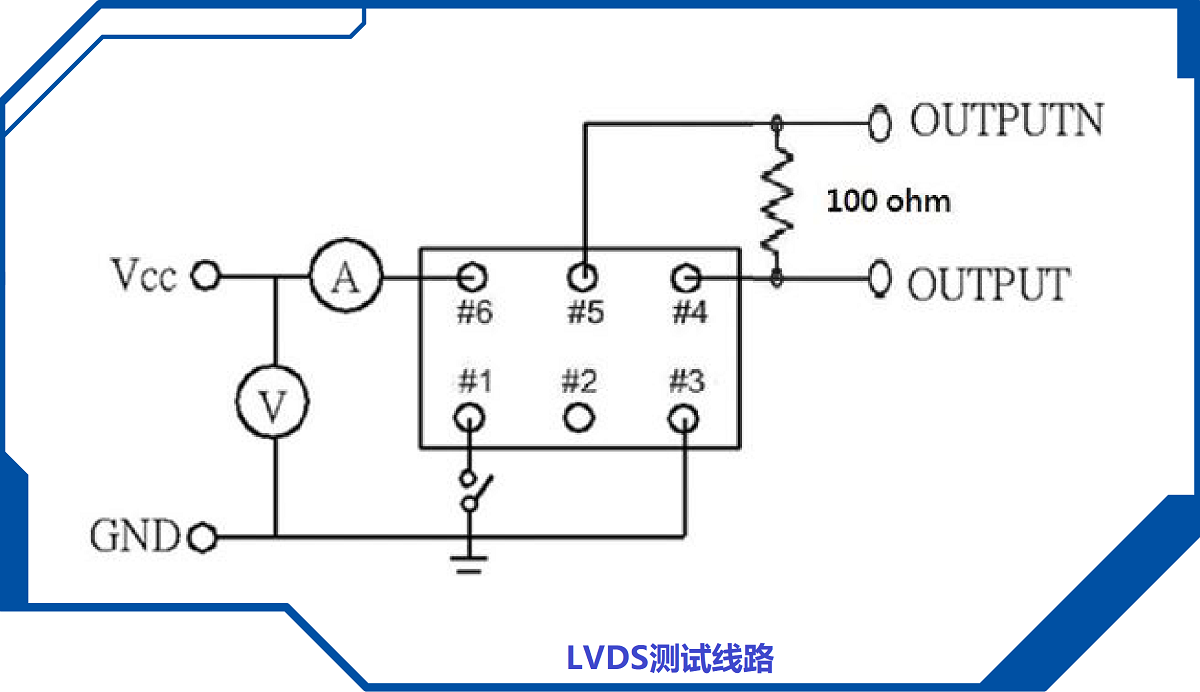
LVDS - Low Voltage Differential Signaling is a differential input/output system that utilizes terminal resistors (100 Ω) to form a small differential voltage of 350 mV. This differential voltage signal is suitable for high-speed data transmission applications and has better resistance to noise interference in wired data transmission. The small voltage swing can reduce power consumption on the line.
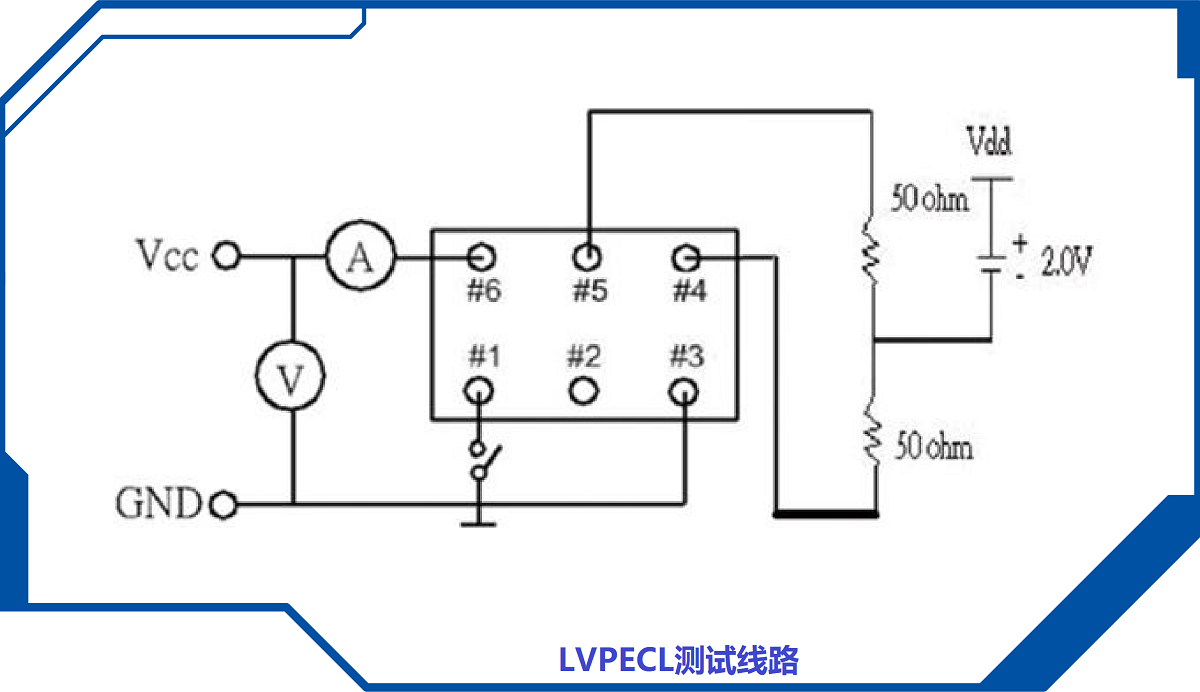
LVPECL - Low Voltage Positive Emission Coupled Logic. Compared to typical CMOS oscillators, LVPECL products have faster rise/fall times and less noise interference, making them more suitable for applications with high sensitivity to interference noise (clock and signal transmission).
The changes in electrical performance of the product at different temperatures.
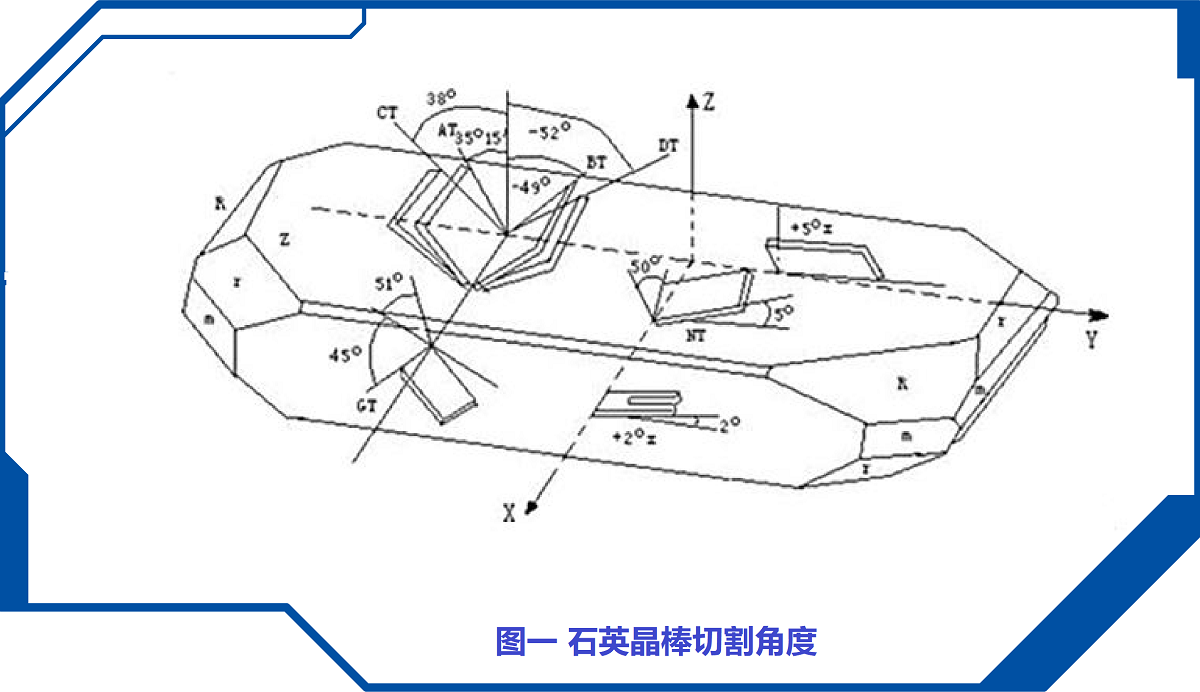
The cutting angle of quartz crystal rod varies, and its electrical characteristics are also different. Usually, the cutting of quartz crystal rod at a certain orientation (angle) on the coordinate axis of the crystal rod is called the cutting type of quartz crystal chip (see Figure 1).
The AT cutting angle is 35 degrees and the BT cutting angle is 49 degrees, both of which are suitable for the frequency range of several MHz to several hundred MHz. The AT cutting angle and the BT cutting angle have different temperature and frequency curves (see Figure 2 and 3). The temperature frequency error of the BT cutting angle is relatively large, while the AT cutting angle is relatively stable. It is the most widely used and widely used cutting application method for quartz chips.